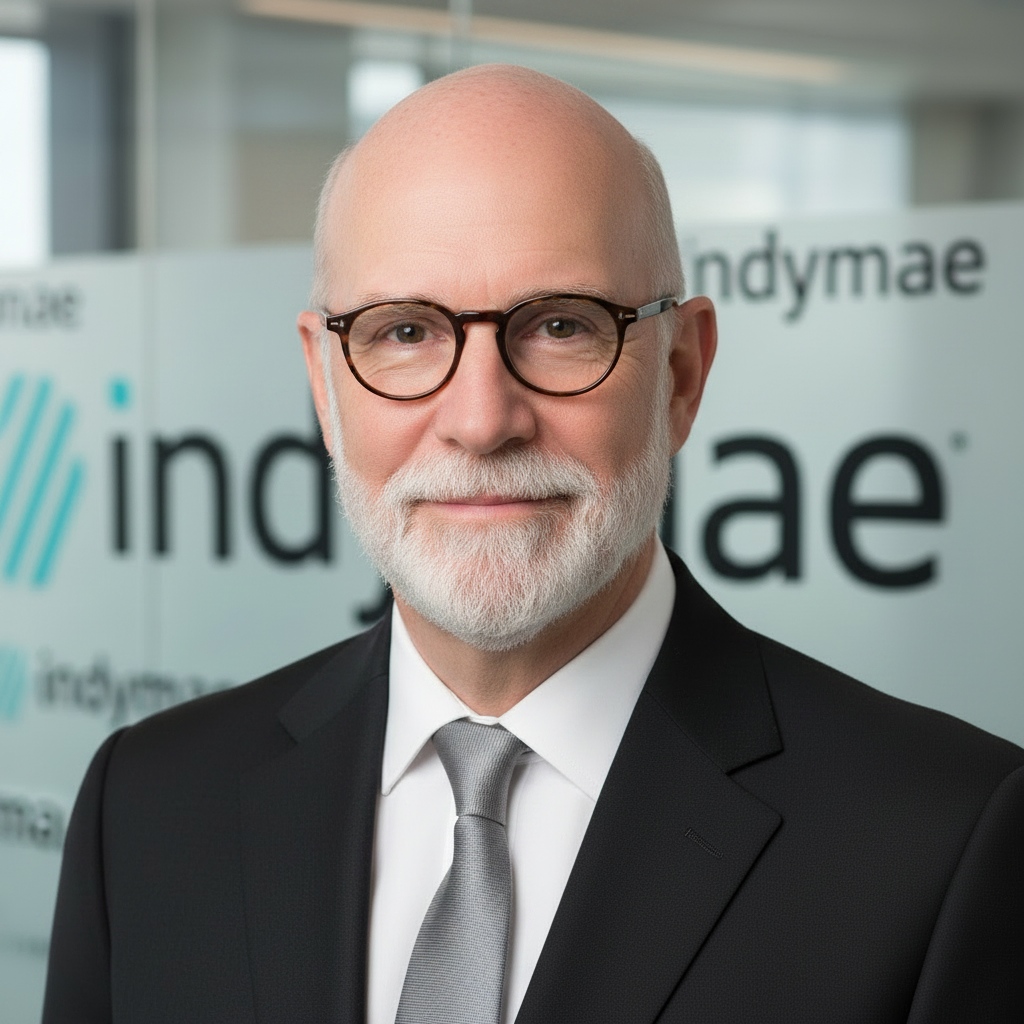
 Bill O'Donnell

Growth Capital for Business Acquisitions in 2026
Acquiring an existing business is one of the fastest ways to scale—but finding the right financing can make or break the deal. Traditional bank loans move slowly, demand heavy collateral, and often require a personal guarantee that puts your personal assets on the line. Growth capital financing offers a faster, more flexible alternative built specifically for business owners who are ready to grow through acquisition.
This guide walks you through how growth capital works, what lenders look for, and how to use it strategically to close your next acquisition deal.
What Is Growth Capital and Why Does It Work for Acquisitions?
Growth capital is a form of commercial financing designed to fund strategic expansion—including acquisitions, working capital needs, and debt restructuring. Unlike traditional term loans, growth capital products are underwritten on business cash flow and debt service coverage rather than hard assets or owner credit scores. For a broader look at how growth capital compares with other financing options, see Growth Capital vs. Equity Financing: Which Is Right for You?.
For acquisitions specifically, this matters because:
- The acquired business may not carry significant hard assets
- Deal timelines move fast—often 30 to 60 days from LOI to close
- Buyers rarely want to pledge personal real estate or retirement accounts as collateral
According to the U.S. Census Bureau, there are over 33 million small businesses in the United States. A growing share of them will change hands in the next several years as baby boomer owners retire—creating a significant acquisition opportunity for the right buyer with the right capital in place.
How Growth Capital Financing Is Structured for Acquisitions
Not all growth capital deals look the same. Lenders like Indymae offer multiple structure options to match the specific mechanics of your acquisition:
Term Loan
The most straightforward structure. You receive a lump sum at closing and repay it over a fixed term. This works well when the acquisition price is well-defined and you need immediate capital deployment.
- Facility size: $1M – $7M
- Term: 12 – 36 months
- Rate: 1.0% – 1.5% per month
Delayed Draw
You are approved for a set facility but draw funds in stages—useful when the deal includes an earnout, a phased transition, or post-close integration costs that will hit over time.
Multi-Tranche
Best for complex acquisitions involving multiple entities or where the buyer plans to pursue add-on acquisitions after the initial close. Each tranche is drawn as specific milestones are met.
Example: A business owner in the logistics sector acquires a regional competitor for $3.2M. Using a multi-tranche growth capital facility, they fund $2.5M at close and reserve $700K for the first 90 days of working capital post-acquisition—without touching personal savings or pledging their home.
What Lenders Look For: The DSCR Standard
Growth capital lenders underwrite primarily on Debt Service Coverage Ratio (DSCR)—a measure of whether the business generates enough cash flow to cover its debt obligations.
DSCR Formula:
Net Operating Income ÷ Total Debt Service = DSCR
A DSCR above 1.25x is generally considered healthy. The higher the ratio, the stronger the borrower's position.
What Makes a Strong Acquisition Candidate
Lenders will evaluate both the acquiring business and, in many cases, the target company's financials. Strong candidates typically show:
- $3M – $50M in annual revenue (combined or acquiring entity)
- 2.5% or greater year-over-year revenue growth
- Consistent operating cash flow over 12–24 months
- A clear post-acquisition integration plan
- US or Canada-based operations
Because growth capital does not require a personal guarantee, the underwriting leans heavily on business fundamentals. Clean books, documented cash flow, and a credible use-of-funds narrative will move your application forward quickly.
The Federal Reserve's Small Business Credit Survey consistently shows that speed and flexibility rank among the top financing priorities for SMB owners—factors where growth capital outperforms traditional bank lending significantly.
Common Acquisition Use Cases for Growth Capital
Growth capital is industry agnostic, meaning it can finance acquisitions across most sectors. Here are common scenarios where it fits well:
- Competitor acquisition: Buy a direct competitor to consolidate market share and immediately expand your customer base
- Vertical integration: Acquire a supplier or distributor to reduce costs and increase margin
- Geographic expansion: Purchase an established operator in a new region rather than building from scratch
- Distressed acquisition: Move quickly on a business in financial difficulty where traditional lenders won't act fast enough
- Owner retirement buyout: Step into a profitable business being exited by a retiring founder
Real-world example: A $12M annual revenue HVAC services company wants to acquire a $5M plumbing business in an adjacent market. The combined entity would generate roughly $17M in revenue with strong overlap in commercial clients. A $2M growth capital term loan bridges the acquisition gap, and the deal closes in 28 days from application—something a conventional bank loan could not have achieved.
The Application and Approval Process
One of the most significant advantages of growth capital for acquisitions is speed. When you are in active deal negotiations, time is often the deciding factor.
What to Expect
- Submit application and financials — typically 2 years of business tax returns, recent bank statements, and a brief acquisition overview
- Initial screening decision — within 24 to 48 hours
- Underwriting and term sheet — lender reviews DSCR, revenue trends, and deal structure
- Closing — disbursement structured per your chosen facility type
Documents That Accelerate Approval
- Year-to-date profit and loss statement
- 3–6 months of business bank statements
- Letter of intent (LOI) or purchase agreement for the target business
- Pro forma showing post-acquisition cash flow
- Brief narrative on integration plan and growth strategy
Having these ready before you submit can compress the timeline significantly and demonstrate to the lender that you are a serious, prepared operator.
Is Growth Capital Right for Your Acquisition?
Growth capital is not a fit for every deal—but for established businesses with documented revenue and cash flow, it is one of the most efficient acquisition financing tools available in 2026.
It works best when:
- You need to move faster than a bank can process
- You want to preserve personal assets and avoid a personal guarantee
- The deal size falls between $1M and $7M
- Your business has stable revenue and a DSCR that supports the additional debt load
It may not be the right fit if your business is pre-revenue, operates in an excluded industry, or if the acquisition price significantly exceeds your current cash flow capacity. For smaller acquisitions or buyers exploring government-backed financing, SBA 7(a) loans may also be worth considering.
Take the Next Step With Indymae
If you are actively evaluating a business acquisition—or want to get pre-qualified before a deal surfaces—Indymae offers growth capital financing from $1M to $7M with an initial screening decision in 24 to 48 hours and no personal guarantee required.
Our team works with business owners across the US and Canada generating $3M to $50M in annual revenue who are ready to grow strategically.
Ready to move forward? Visit Indymae to submit your application or speak with a lending specialist about your acquisition goals.