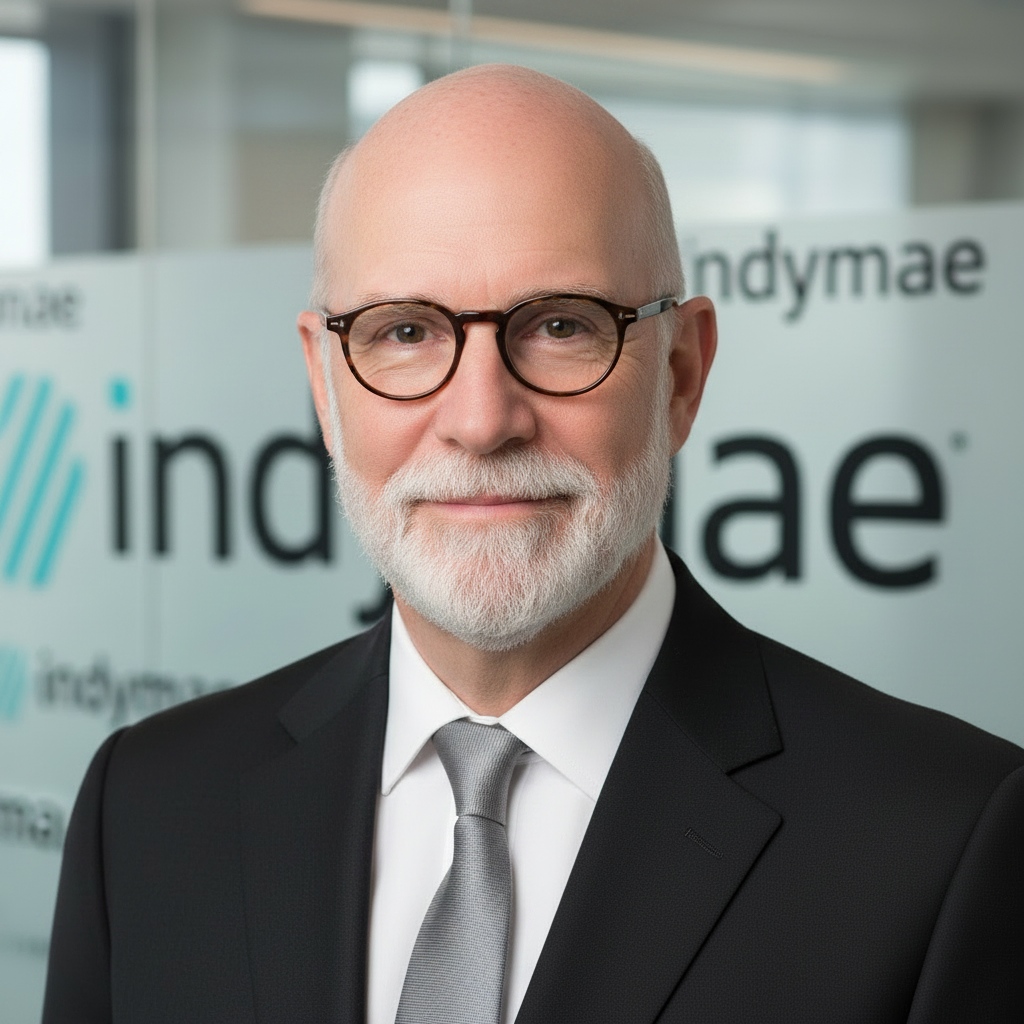
 Bill O'Donnell

Growth Capital for Business Acquisitions in 2026
Buying an existing business is one of the fastest ways to scale—but securing the right financing can make or break the deal. In 2026, growth capital has emerged as a powerful alternative to traditional bank loans for business owners who want speed, flexibility, and fewer personal financial risks. Whether you're acquiring a competitor, buying out a partner, or expanding into a new market through an acquisition, understanding how growth capital works could be your biggest competitive advantage this year.
What Is Growth Capital and Why Does It Matter for Acquisitions?
Growth capital financing is a category of business lending designed specifically for companies that are scaling—not just surviving. Unlike traditional term loans, growth capital facilities are structured around your business's cash flow and future potential, not just its historical balance sheet.
For acquisitions, this distinction is critical. When you're purchasing another business, you're often buying future revenue streams, customer lists, and operational capacity. A lender that evaluates your deal through a Debt Service Coverage Ratio (DSCR) lens—measuring whether your combined cash flows can service the debt—is far more aligned with acquisition realities than one focused purely on collateral or personal credit. For more on how lenders assess this, see our DSCR guide for growth loans.
According to the U.S. Small Business Administration, business acquisitions consistently rank among the top uses of commercial financing, with thousands of SMB transactions closing every year across the United States and Canada.
How Growth Capital Financing Works for Business Buyers
Growth capital facilities for acquisitions are typically structured with the following parameters:
- Facility size: $1M – $7M
- Term: 12 – 36 months
- Rate: 1.0% – 1.5% per month
- Structure options: term loan, delayed draw, or multi-tranche
- No personal guarantee required
- Initial screening decision: 24 – 48 hours
The no personal guarantee feature is especially significant for acquisition financing. Most traditional lenders require owners to pledge personal assets—homes, savings, investment accounts—as security. Growth capital lenders evaluate the business entity itself, protecting the buyer's personal financial life from deal risk.
Term Loan vs. Delayed Draw vs. Multi-Tranche
Choosing the right structure depends on your acquisition timeline and integration plan:
- Term loan: Best for straightforward acquisitions where the full purchase price is known and closing happens on a single date. You receive the full amount upfront and begin repaying immediately.
- Delayed draw: Ideal when you need capital committed but want to pull funds in stages—useful if the acquisition includes earnouts or phased asset transfers.
- Multi-tranche: Suited for complex deals where you're acquiring the business in one tranche and funding post-close working capital or integration costs in a second tranche.
Who Qualifies for Growth Capital Acquisition Financing?
Growth capital is designed for established, revenue-generating businesses—not startups. The typical borrower profile includes:
- Annual revenue: $3M – $50M
- Growth trajectory: 2.5% – 5%+ year-over-year revenue growth
- Geography: United States and Canada
- Industry: Most industries qualify (a short exclusion list applies)
Real-World Example
Consider a regional HVAC company generating $6M in annual revenue that wants to acquire a smaller competitor doing $2M per year. The combined entity would produce roughly $8M in revenue with significant operational overlap—meaning cost savings and margin improvement post-close.
With a $2.5M growth capital facility structured as a term loan over 24 months at 1.25% per month, the monthly payment is approximately $125,000. If the combined business generates $250,000 in monthly operating cash flow, the DSCR sits comfortably above 2.0x—well within qualifying range. The acquiring owner doesn't pledge their home, and the deal closes in days rather than months.
This is exactly the kind of transaction growth capital is built for.
Key Advantages of Growth Capital Over Traditional Acquisition Financing
Business buyers increasingly favor growth capital over SBA loans and conventional bank financing for several reasons:
Speed
Traditional bank acquisition loans can take 60–120 days to close. Growth capital lenders like Indymae can provide an initial screening decision in 24 to 48 hours, with full funding timelines measured in days—not months. In competitive acquisition markets, speed is often the deciding factor.
No Personal Guarantee
This cannot be overstated. Pledging personal assets to finance a business acquisition transfers deal risk from the corporate entity to the individual owner. Growth capital eliminates that requirement entirely, keeping your personal finances protected regardless of business outcomes.
Flexible Structures
Acquisitions are rarely simple. Earnouts, seller financing, asset-only deals, and phased closings all require financing flexibility that rigid bank products can't provide. Growth capital's multi-tranche and delayed draw structures adapt to deal complexity.
Cash Flow–Based Underwriting
Rather than fixating on collateral value, growth capital underwriting centers on DSCR—your business's demonstrated ability to generate enough cash flow to service the debt. This approach rewards strong operators even if they don't have hard assets to pledge. To compare funding approaches, read Growth Capital vs. Equity Financing: Which Is Right for You?.
The Federal Reserve's Small Business Credit Survey consistently highlights that SMB owners cite collateral requirements and slow approval timelines as the top barriers to accessing traditional financing—two problems growth capital directly solves.
What to Prepare Before Applying
A strong application starts well before you submit anything. When preparing to seek growth capital for an acquisition, gather the following:
- Last 2–3 years of business tax returns for both acquiring and target companies
- Recent profit and loss statements and balance sheets (ideally current within 90 days)
- Bank statements for the past 6–12 months
- Letter of intent (LOI) or purchase agreement for the acquisition
- Pro forma financials showing combined revenue and cash flow post-close
- Brief business overview explaining the strategic rationale for the acquisition
The cleaner and more complete your package, the faster the screening process moves. Lenders want to say yes—help them do it quickly.
Start Your Acquisition with the Right Capital Partner
Business acquisitions in 2026 move fast. The right target won't wait weeks while a bank committee deliberates. Indymae's Growth Capital Financing is purpose-built for business owners who need decisive, flexible, and founder-friendly capital to close acquisition deals—with facilities from $1M to $7M, no personal guarantee, and an initial decision in as little as 24 hours.
If your business generates between $3M and $50M in annual revenue and you're ready to grow through acquisition, explore Indymae's Growth Capital Financing and find out how quickly you can get to yes.