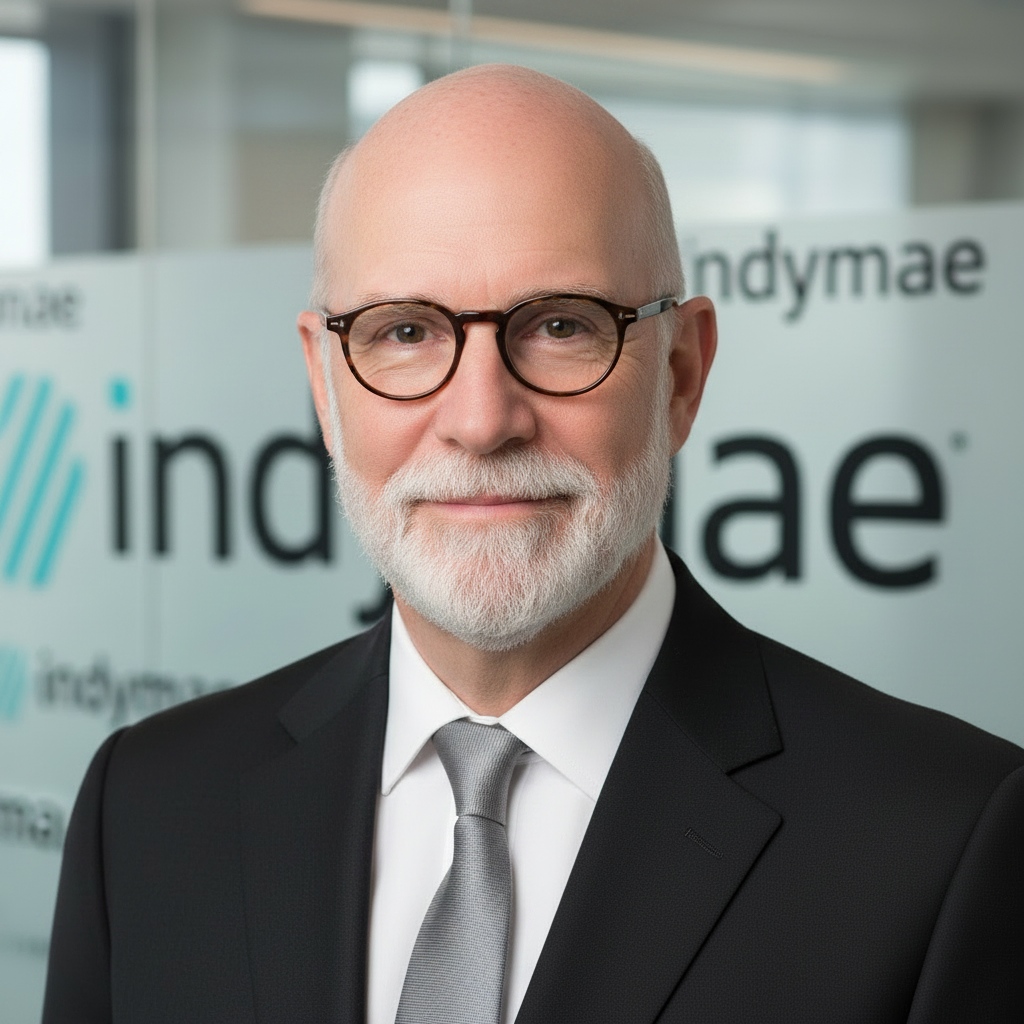
 Bill O'Donnell

Growth Capital vs Equity Financing: Which Is Right for You?
When your business is ready to scale, two financing paths come up again and again: growth capital loans and equity financing. Both can fuel expansion, but they work in fundamentally different ways — and choosing the wrong one can cost you far more than money.
This guide breaks down the core differences, the real numbers behind each option, and the scenarios where one clearly outperforms the other. For a closer look at how growth capital compares with another debt option, see growth capital vs. venture debt.
What Is Growth Capital Financing?
Growth capital is debt-based funding designed specifically to help established businesses accelerate. Unlike a traditional bank loan, it is structured around your business's cash flow and revenue trajectory — not your personal assets or credit score.
Typical growth capital facilities offer:
- Loan sizes ranging from $1M to $7M
- Terms of 12 to 36 months
- Monthly rates in the range of 1.0% to 1.5%
- No personal guarantee required
- Flexible structures including term loans, delayed draws, and multi-tranche arrangements
Lenders evaluate your ability to repay using the Debt Service Coverage Ratio (DSCR), which measures how well your operating income covers your debt obligations. If your business generates consistent revenue — even if you are not yet profitable on paper — you may qualify. Learn more about growth capital financing.
Common uses include expanding into new markets, hiring sales teams, funding inventory surges, refinancing existing debt, or financing a strategic acquisition.
What Is Equity Financing?
Equity financing means selling an ownership stake in your company in exchange for capital. Investors — whether angel investors, venture capital firms, or private equity funds — provide funding in exchange for shares and, often, a voice in how your business is run.
How Equity Deals Are Structured
Equity rounds vary widely, but here is how they typically break down:
- Angel investment: $25,000 to $500,000, often informal, early-stage
- Venture capital (Series A and beyond): $2M to $15M+, highly selective, growth-stage
- Private equity: $5M to $50M+, often requires majority or significant minority stake
There is no monthly repayment. Instead, investors profit when the company is sold, goes public, or pays dividends. That sounds attractive — but the cost of equity is often far higher than borrowers expect.
The Hidden Cost of Giving Up Equity
If your business is valued at $10M and you sell a 20% stake to raise $2M, you have just priced that capital at a long-term cost tied to your company's future value. If the business grows to $30M, that investor's stake is now worth $6M — meaning the effective cost of that $2M was $6M in future value.
For many business owners, that tradeoff is simply not worth it.
Key Differences: Growth Capital vs Equity Financing
Understanding the structural differences helps you make a clear-headed decision.
Ownership and Control
- Growth capital: You retain 100% ownership. The lender has no board seat, no voting rights, and no say in operations.
- Equity financing: You give up a percentage of ownership. Investors may require board representation, approval rights on major decisions, or protective provisions.
Cost of Capital
- Growth capital: Costs are transparent and fixed — you know your monthly payment from day one.
- Equity financing: Costs are invisible upfront but can be enormous over time, especially if your business grows significantly.
Speed and Accessibility
- Growth capital: Initial screening decisions can come in as fast as 24 to 48 hours. Businesses with $3M to $50M in annual revenue and steady growth are well-positioned to qualify.
- Equity financing: Fundraising rounds typically take 3 to 12 months, require extensive due diligence, pitch decks, legal documentation, and investor negotiations.
Repayment Obligations
- Growth capital: Structured repayment over 12 to 36 months. Predictable and plannable.
- Equity financing: No scheduled repayment, but investors expect a liquidity event — a sale or IPO — within a defined horizon, which can pressure your long-term strategy.
Use of Funds Flexibility
- Growth capital: Broadly flexible — working capital, acquisitions, debt refinancing, restructuring, or operational expansion.
- Equity financing: Investors often have preferences or restrictions on how capital is deployed, particularly in venture-backed deals.
When to Choose Growth Capital
Growth capital is typically the stronger choice when:
- You want to preserve ownership and keep decision-making authority
- Your business has predictable revenue and positive cash flow
- You need capital quickly — within days or weeks, not months
- The use case is operational: inventory, hiring, market expansion, or refinancing
- You are growing at 2.5% to 5% or more year-over-year and want to accelerate without dilution
- Your annual revenue falls between $3M and $50M
According to the U.S. Small Business Administration, access to flexible debt capital is one of the primary drivers of sustainable small business growth — and business owners who retain equity consistently report higher long-term satisfaction with their financing decisions.
Businesses with variable revenue can also explore qualifying for growth capital with an uneven revenue history.
When Equity Financing Makes Sense
Equity is not always the wrong answer. It may be the right fit when:
- Your business is pre-revenue or early-stage and cannot yet support debt service
- You are building a venture-scale company that requires massive capital to reach profitability
- You want strategic partners who bring industry relationships, not just money
- You are comfortable with shared governance in exchange for shared risk
The Federal Reserve's Small Business Credit Survey consistently shows that most established small businesses prefer debt financing over equity — citing control and cost predictability as the top reasons.
A Side-by-Side Summary
- Ownership retained: Growth capital — yes | Equity — no
- Repayment required: Growth capital — yes, structured | Equity — no, but exit expected
- Speed to funding: Growth capital — days to weeks | Equity — months
- Personal guarantee: Growth capital (through Indymae) — not required | Equity — not applicable
- Long-term cost: Growth capital — fixed and known | Equity — potentially very high
- Ideal for: Growth capital — established, cash-flowing businesses | Equity — early-stage, high-growth ventures
Make the Right Call for Your Business
For most established businesses generating $3M or more in annual revenue, growth capital is the smarter, faster, and less costly path to funding expansion. You keep your company, you know your payments, and you move quickly.
Equity has its place — but giving up ownership is a permanent decision. Make sure the tradeoff is genuinely worth it before you sign.
If your business is growing and you need capital without the dilution, Indymae offers growth capital financing from $1M to $7M with no personal guarantee required and screening decisions in as little as 24 to 48 hours. Reach out today to explore your options.