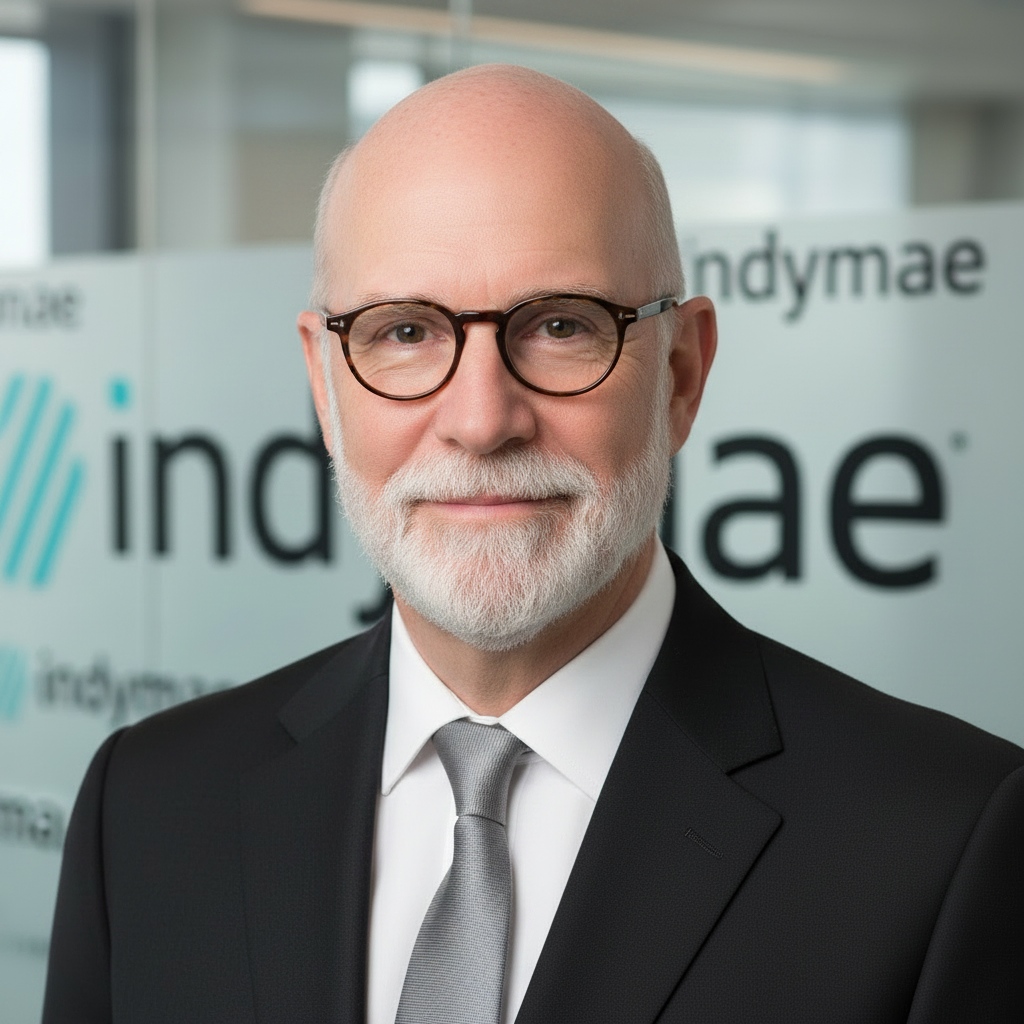
 Bill O'Donnell

Growth Capital for Business Acquisitions in 2026
Acquiring an existing business is one of the fastest ways to scale—but finding the right financing to close the deal is where many buyers stall. Traditional bank loans move slowly, demand heavy collateral, and often require personal guarantees that put your home and savings on the line. In 2026, a growing number of small and mid-sized business owners are turning to growth capital financing as a smarter, faster path to funding acquisitions without the friction of conventional lending.
This guide breaks down how growth capital works for acquisitions, what lenders look for, and how to structure a deal that works for both buyer and seller. For a broader overview of how this financing can support expansion, see what growth capital financing is for scaling businesses.
What Is Growth Capital Financing?
Growth capital is a form of flexible business lending designed for companies that need meaningful capital to accelerate—without giving up equity or waiting months for bank approval. Unlike venture capital, it does not dilute ownership. Unlike SBA loans, it does not require exhaustive documentation cycles that stretch past 90 days.
Key features of a typical growth capital facility include:
- Facility size: $1M – $7M
- Term: 12 – 36 months
- Rate: 1.0% – 1.5% per month
- Structure options: term loan, delayed draw, or multi-tranche
- No personal guarantee required
- Initial screening decision in 24 – 48 hours
This structure is purpose-built for businesses generating $3M–$50M in annual revenue with demonstrated year-over-year growth. The primary credit metric is Debt Service Coverage Ratio (DSCR)—meaning the lender focuses on the cash flow capacity of the business, not the personal net worth of the owner.
Why Acquisitions Are a Top Use Case in 2026
Business acquisition activity among small and mid-market companies remains strong heading into 2026. According to the U.S. Census Bureau, the number of employer businesses changes hands through acquisition more frequently than most owners realize—and the pipeline of retiring Baby Boomer business owners continues to create compelling buy-side opportunities.
For buyers, the math on acquiring an existing business often beats building from scratch:
- You inherit established revenue, customers, and staff
- The target business may already carry proven cash flow that helps service the acquisition debt
- Integration risk is lower than a greenfield launch
- You can often close faster than a competitor building organically
The challenge is capital. Most acquisition targets in the $1M–$5M enterprise value range are too large for a business credit card or line of credit, yet too small—or too fast-moving—for a traditional bank's M&A lending process.
Growth capital fills exactly that gap.
How to Structure a Growth Capital Acquisition Deal
Not all acquisitions are structured the same way, and your financing should match the deal structure. Here are three common approaches:
Term Loan for Full Acquisition
If you are purchasing a business outright and the deal is straightforward, a lump-sum term loan provides the full acquisition price upfront. A buyer acquiring a $2.5M service business, for example, might draw the full amount at close, with repayment structured over 24–30 months based on the combined entity's DSCR.
Delayed Draw for Staged Transactions
Some acquisitions involve earnouts or contingent payments—where a portion of the purchase price is paid over time based on performance milestones. A delayed draw facility lets you access capital in tranches as those payment obligations come due, so you are not carrying unnecessary debt cost from day one.
Multi-Tranche for Acquisition Plus Integration
Acquiring a business is only half the equation. Many buyers need additional capital immediately after close to fund integration costs—new systems, rebranding, staff onboarding, or working capital for a combined entity. A multi-tranche structure allows you to fund the acquisition in one tranche and draw integration capital in a second, keeping the overall facility clean and purposeful.
What Lenders Evaluate: DSCR and Business Health
When you apply for growth capital to fund an acquisition, the lender's primary question is: can this business generate enough cash flow to service the debt?
That is where Debt Service Coverage Ratio (DSCR) becomes the central underwriting metric. DSCR is calculated as:
DSCR = Net Operating Income ÷ Total Debt Service
A DSCR above 1.25x is generally considered healthy—it means the business generates $1.25 in operating income for every $1.00 in debt obligations. For acquisition financing, lenders will often look at the pro forma DSCR of the combined entity post-close, not just the buyer's standalone financials.
Additional factors that strengthen your application:
- Consistent YoY revenue growth of 2.5%–5% or more
- Clean financial statements for the target business (2–3 years of P&Ls and tax returns)
- A clear use-of-funds narrative explaining how the acquisition accelerates growth
- Demonstrated management capacity to operate the combined business
The Federal Reserve's Small Business Credit Survey consistently shows that cash flow documentation and growth trajectory are the leading factors in non-bank lending approvals—reinforcing why DSCR-based lenders move faster and with greater flexibility than collateral-focused banks.
Common Mistakes Buyers Make When Financing Acquisitions
Even experienced operators stumble on financing. Avoid these pitfalls:
- Underestimating post-close working capital needs. The acquisition price is not the full cost. Budget for integration, transition, and a cash reserve.
- Waiting too long to engage a lender. With a 24–48 hour screening window available through growth capital lenders, there is no reason to enter LOI negotiations without at least a preliminary financing read.
- Overleveraging the target's cash flow. If the acquisition target is already carrying debt, your pro forma DSCR needs to account for it. Model conservatively.
- Ignoring deal structure flexibility. A seller willing to carry a small note can reduce your required facility size and improve your DSCR, making approval easier.
Start Your Acquisition Financing with Indymae
If you are actively pursuing a business acquisition in 2026, speed and certainty of financing can be the difference between closing the deal and losing it to another buyer.
Indymae offers Growth Capital Financing from $1M to $7M with no personal guarantee required, structured specifically for acquisitions, working capital, and growth initiatives. Our DSCR-based underwriting means your business's cash flow speaks for itself—and our 24–48 hour screening decision keeps you competitive at the deal table.
Ready to explore your options? Visit Indymae.com to submit your inquiry and get a fast, no-obligation financing assessment for your next acquisition.