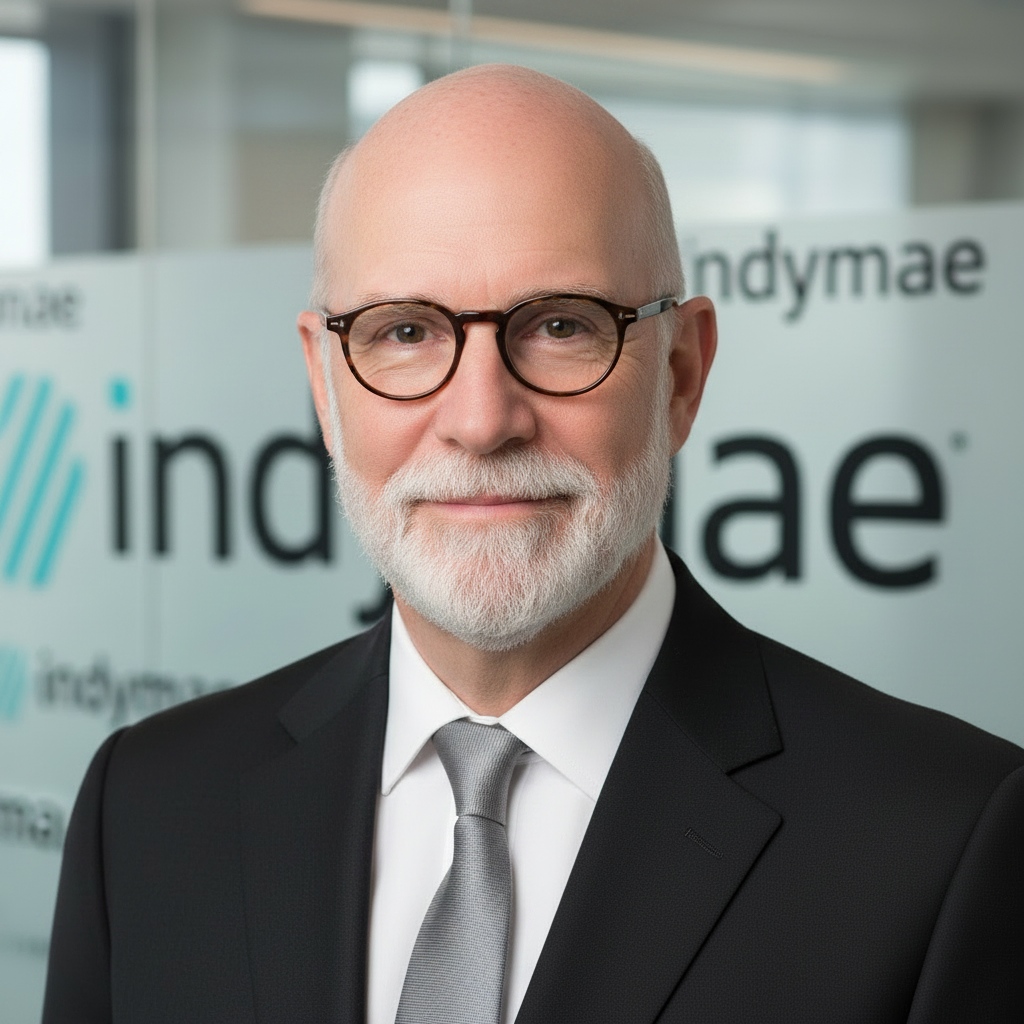
 Bill O'Donnell

DSCR Guide for Growth Loans: What Business Owners Must Know
When you apply for a growth loan, lenders are not just looking at your credit score or how long you have been in business. They want to know one thing above all else: can your business reliably repay what it borrows? The metric they use to answer that question is the Debt Service Coverage Ratio, or DSCR.
Understanding DSCR is one of the most practical things you can do before seeking growth capital. It affects whether you get approved, how much you can borrow, and what terms a lender will offer. This guide breaks it all down in plain language — with real numbers and actionable steps.
What Is DSCR and Why Does It Matter for Growth Loans?
Debt Service Coverage Ratio (DSCR) is a financial metric that compares your business's net operating income to its total debt obligations. It tells lenders whether your cash flow is sufficient to cover loan payments — with room to spare.
The formula is straightforward:
DSCR = Net Operating Income (NOI) ÷ Total Annual Debt Service
- Net Operating Income is your revenue minus operating expenses, before interest and taxes
- Total Annual Debt Service is the sum of all principal and interest payments due in a year
A Simple Example
Suppose your business generates $800,000 in net operating income annually and carries $500,000 in total annual debt payments (existing loans plus the new loan you are applying for).
$800,000 ÷ $500,000 = DSCR of 1.60
A DSCR of 1.60 means your business earns $1.60 for every $1.00 it owes in debt service. That cushion is exactly what lenders want to see.
According to guidance from the U.S. Small Business Administration, a DSCR of 1.25 or higher is generally considered the baseline for creditworthiness in commercial lending. Many growth-focused lenders look for ratios in the 1.25 to 1.50+ range depending on the loan size, term, and use of proceeds.
How Lenders Use DSCR to Evaluate Growth Capital Requests
Not all lenders weigh DSCR the same way, but for growth capital financing, it tends to be the primary credit criterion — especially when no personal guarantee is required.
DSCR as a Standalone Credit Signal
Traditional bank loans often rely heavily on collateral, personal guarantees, and credit scores. Growth capital lenders take a different approach. They focus on business cash flow performance as the clearest signal of repayment capacity. DSCR quantifies that performance in a single, comparable number.
This is particularly relevant for small and mid-sized businesses in the $3M–$50M annual revenue range. These companies often have strong operating cash flows but limited hard assets to pledge as collateral. DSCR-based underwriting opens doors that traditional credit models close.
What Happens When DSCR Is Too Low?
A DSCR below 1.0 means your business does not generate enough income to cover its existing debt — a significant red flag. A ratio between 1.0 and 1.25 may still qualify in some cases, but expect closer scrutiny, lower loan amounts, or higher rates.
The Federal Reserve's Small Business Credit Survey consistently shows that cash flow concerns are among the top reasons lenders decline financing requests. Improving your DSCR before applying is one of the most direct ways to improve your approval odds.
How to Calculate Your DSCR Before You Apply
You do not need an accountant to run a preliminary DSCR calculation. Here is a step-by-step approach:
- Pull your most recent 12 months of financials — income statement and cash flow statement
- Calculate Net Operating Income: Revenue minus cost of goods sold (COGS) minus operating expenses (exclude interest, taxes, depreciation, and amortization)
- List all current annual debt payments: include existing term loans, lines of credit, equipment financing, and any other scheduled obligations
- Estimate new debt service: based on the loan amount, rate, and term you are targeting
- Divide NOI by total debt service (existing + new)
Real Numbers Example
- Annual Revenue: $5,200,000
- Operating Expenses (excl. interest/taxes): $3,900,000
- Net Operating Income: $1,300,000
- Existing Annual Debt Service: $420,000
- New Loan: $2,000,000 at 1.25% per month over 24 months ≈ $100,000/month or $1,200,000 annually
- Total Annual Debt Service: $1,620,000
- DSCR: $1,300,000 ÷ $1,620,000 = 0.80
In this case, the proposed loan is too large relative to current income. The borrower would need to either reduce the loan amount, extend the term, or increase operating income before applying.
Strategies to Improve Your DSCR Before Applying
If your DSCR falls short, you have levers to pull. The goal is to either increase net operating income or reduce total debt service — or both.
Increase Net Operating Income
- Reduce discretionary operating expenses that do not directly support revenue generation
- Accelerate receivables collection to improve realized cash flow
- Eliminate underperforming product lines or service offerings that generate revenue but erode margins
- Renegotiate supplier contracts to reduce COGS
Reduce Existing Debt Service
- Refinance high-rate short-term debt into longer-term, lower-payment structures
- Consolidate multiple obligations into a single facility with a lower combined payment
- Pay down revolving debt before applying to reduce scheduled minimums
Right-Size the New Loan Request
- Borrow only what your DSCR can support at the proposed terms
- Consider a delayed draw or multi-tranche structure that lets you access capital in stages as revenue grows — a structure that keeps initial debt service manageable
What to Expect From a DSCR-Based Growth Lender
Working with a lender that uses DSCR as its primary credit criterion is a fundamentally different experience from applying to a traditional bank.
The process moves faster. Because the underwriting is cash flow-driven rather than collateral-driven, decisions can come in 24 to 48 hours rather than weeks.
No personal guarantee is required. Your business stands on its own financial record. This protects your personal assets and reflects a genuine assessment of business-level creditworthiness.
Structures are flexible. Growth capital facilities can be structured as term loans, delayed draws, or multi-tranche arrangements depending on how and when you need the capital.
Indymae offers growth capital financing from $1M to $7M with terms from 12 to 36 months and uses DSCR as the foundation of its credit evaluation — making it a practical option for established businesses with strong operating cash flows that need capital to grow, restructure, or acquire.
Key Takeaways
- DSCR = Net Operating Income ÷ Total Annual Debt Service
- A ratio of 1.25 or higher is the standard threshold for most growth lenders
- DSCR-based lending prioritizes cash flow over collateral, making it accessible to businesses without significant hard assets
- You can improve your DSCR by increasing NOI, reducing existing debt obligations, or adjusting your loan request
- Flexible structures like delayed draws and multi-tranche facilities can help manage debt service relative to your income timeline
Ready to Put Your DSCR to Work?
If your business generates between $3M and $50M in annual revenue and is growing, your cash flow may already support a significant capital raise. The first step is knowing your numbers.
Visit Indymae to explore growth capital financing options and get an initial screening decision in 24 to 48 hours — no personal guarantee required.
Learn more: Explore SBA Loan Options