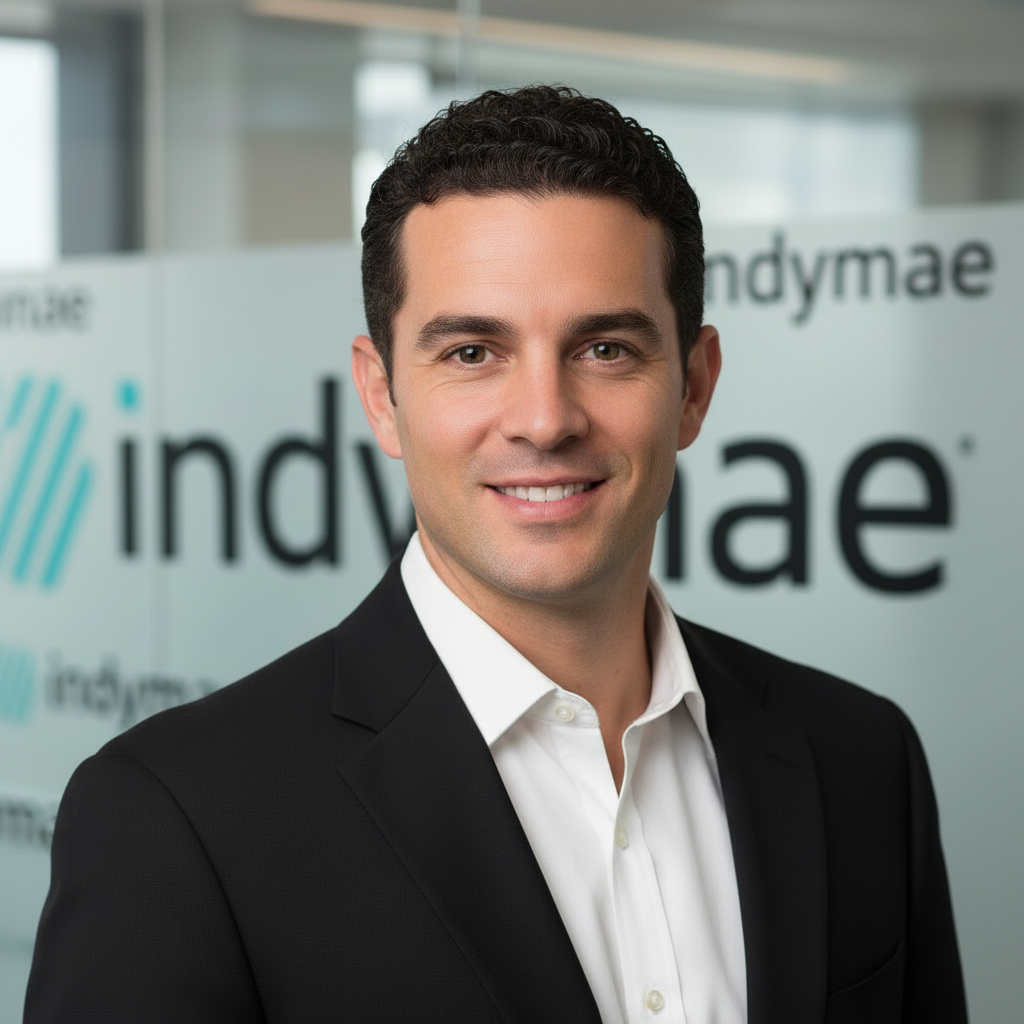
 Tim Kavanaugh
Rehab & Bridge Financing Guide for Commercial Real Estate 2026
Whether you're flipping a distressed retail strip, repositioning a mixed-use building, or acquiring a value-add multifamily property, rehab and bridge financing can be the difference between closing the deal and losing it. These short-term lending tools are purpose-built for speed and flexibility — two things traditional bank loans rarely offer in competitive commercial markets.
This guide breaks down exactly how rehab loans and bridge loans work, what they cost, when to use each one, and how to structure financing that gets you to the closing table without missing a beat.
What Are Bridge Loans and Rehab Loans?
Bridge loans for commercial properties are short-term commercial loans — typically 6 to 36 months — designed to "bridge" the gap between an immediate financing need and a long-term solution. They're used when a borrower needs capital quickly: to acquire a property before a permanent loan is in place, to stabilize occupancy, or to buy time while completing renovations.
Rehab loans (also called renovation loans or fix-and-flip loans in commercial contexts) are a subset of bridge financing specifically structured to fund both the acquisition and renovation of a property. The lender underwrites the loan based on the property's After Repair Value (ARV) — what it will be worth once the work is complete — rather than its current distressed value.
Key Differences at a Glance
- Bridge loan: Best for stabilization, refinancing gaps, or time-sensitive acquisitions
- Rehab loan: Best for properties needing significant capital improvements before conventional financing is possible
- Both: Short-term, asset-based, faster approval than traditional commercial mortgages
How Bridge and Rehab Loan Structures Work
Understanding the mechanics is critical before you borrow. Both loan types share a similar structure, but rehab loans carry an additional layer of complexity because renovation draws are funded over time.
Loan-to-Value and After Repair Value
Most commercial bridge lenders will lend up to 70%–80% of the property's current as-is value or up to 65%–75% of the ARV, whichever is lower. For rehab deals, lenders typically advance funds in two tranches:
- Acquisition tranche — funded at closing to purchase the property
- Renovation tranche — disbursed in draws as construction milestones are verified
Example: You find a vacant warehouse listed at $800,000. After $250,000 in renovations, comparable properties trade at $1.4 million. A lender offering 70% LTV on ARV could provide up to $980,000 — enough to cover acquisition and a significant portion of your rehab budget.
Interest Rates and Costs
Bridge and rehab loans carry higher rates than permanent commercial mortgages because of their short duration and increased lender risk. In the current rate environment (WSJ Prime Rate at 6.75% as of 2026), you can generally expect:
- Bridge loans (stabilized assets): 8.5%–11.5% APR
- Rehab/value-add loans: 9.5%–13.0% APR
- Origination fees: 1%–3% of the loan amount
- Extension fees: 0.25%–1.0% if you need to extend the term
Interest is almost always calculated on the outstanding drawn balance, so you're not paying interest on renovation funds that haven't been disbursed yet — an important cash flow advantage. For a full breakdown of what these costs look like in practice, see Bridge Loan Terms and Fees: What Business Owners Need to Know.
If you're evaluating a lender partner, compare their product details on our bridge funding page to confirm draw mechanics and fee structures.
Terms and Exit Strategies
Bridge and rehab loans are not permanent solutions. Lenders underwrite them with the expectation that you have a defined exit strategy, typically one of the following:
- Refinance into a conventional commercial mortgage or an SBA loan once the property is stabilized
- Sale of the improved asset to pay off the bridge
- Lease-up to reach occupancy thresholds required by permanent lenders
Failing to plan your exit is the most common mistake borrowers make. Build your timeline conservatively and factor in at least a 60-to-90-day buffer for refinance processing. For a thorough breakdown of how exits are structured in practice, see Bridge Loan Exit Strategies for Commercial Real Estate Owners.
When to Use Bridge Financing vs. Conventional Loans
Not every deal calls for bridge financing. Here's how to think through the decision:
Use Bridge or Rehab Financing When:
- The property is vacant, partially occupied, or in disrepair and won't qualify for conventional underwriting
- You need to close in 10–30 days and a bank's 60–90 day process isn't viable
- The property's current NOI is too low to support a permanent loan but will improve post-renovation
- You're competing in a multiple-offer situation where speed is a differentiator
- You need to bridge a 1031 exchange timeline gap
Stick With Conventional or SBA Financing When:
- The property is stabilized and cash-flowing at or above lender thresholds
- You have 90+ days of runway before you need to close
- You qualify for an SBA 504 or 7(a) loan, which carry significantly lower rates and longer amortization
According to SBA.gov, SBA 7(a) loans — which can be used for real estate acquisition and improvements — currently carry rates as low as Prime + 2.25% (approximately 9.0% APR) on loans over $350,000, making them a far more cost-effective long-term option for eligible borrowers. If you can qualify, they're worth pursuing instead of a bridge product.
Qualifying for a Commercial Bridge or Rehab Loan
Because bridge lenders are primarily asset-based underwriters, the qualification criteria differ significantly from traditional commercial loans.
What Lenders Evaluate
- Collateral quality: Location, property type, marketability, and ARV
- Borrower experience: Track record with similar rehab or value-add projects matters considerably
- Equity contribution: Most lenders require 20%–35% borrower equity in the deal
- Liquidity and reserves: Lenders want to see sufficient cash reserves to cover carrying costs and overruns
- Exit strategy viability: A credible, documented plan to repay the loan at maturity
Credit and Business Requirements
While bridge lenders are more flexible than banks, they still evaluate borrower creditworthiness. Minimum credit scores typically range from 620–680. Note that borrowers with delinquent federal debt, open federal tax liens, or prior government losses are ineligible for SBA-backed programs and may face significant obstacles with conventional lenders as well.
Make sure your business entity is in good standing, your financials are current, and your ownership structure is clean before approaching a lender.
If you're new to the underwriting process, our guide on how to qualify for a bridge loan may help frame documentation needs before you approach a lender.
Putting It All Together: A Sample Deal Timeline
Here's how a typical commercial rehab deal might flow from offer to permanent financing:
- Week 1–2: Identify distressed asset, run ARV analysis, engage lender for pre-qualification
- Week 3: Submit rehab loan application with contractor bids and ARV appraisal
- Week 4–5: Lender underwrites and issues term sheet; close the bridge/rehab loan
- Months 2–7: Construction and renovation with scheduled draw disbursements
- Month 8–9: Property stabilized; initiate permanent refinance (SBA 7(a), CMBS, or conventional) — see SBA 7(a) product details for timelines and documentation
- Month 10–12: Permanent loan closes; bridge loan is paid in full
Realistic timelines prevent costly extensions and keep your carrying costs in check.
Get Financing That Moves as Fast as Your Deals
Rehab and bridge financing requires a lending partner who understands the urgency and complexity of commercial real estate transactions. Indymae works with small and mid-sized business owners to structure flexible bridge and rehab loans with competitive rates, transparent terms, and responsive underwriting teams that understand your timeline.
Whether you're planning your first value-add acquisition or scaling a commercial portfolio, our team can walk you through your options — including whether an SBA product might be a better long-term fit for your project.
Ready to move on your next deal? Visit Indymae.com to speak with a commercial lending specialist or submit your deal for a fast pre-qualification review. Don't let slow financing cost you the opportunity.
For additional guidance on SBA loan programs that may complement your long-term financing strategy, visit SBA.gov. Rate references reflect the WSJ Prime Rate of 6.75% as of 2026 and are subject to change.


