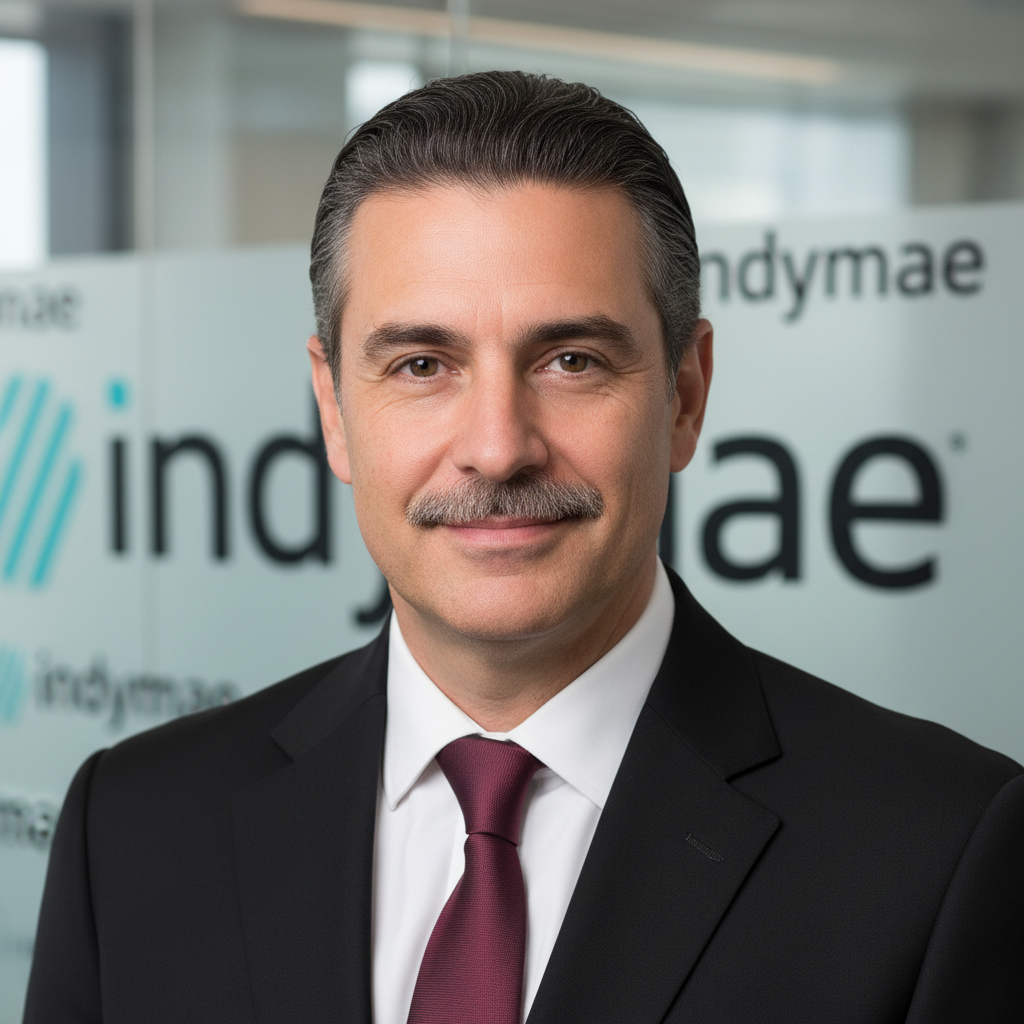
 Peter Passaporte
Working Capital Loans for San Marco Small Businesses
San Marco is one of Jacksonville's most vibrant commercial corridors. From the boutique retailers and independent restaurants clustered around San Marco Square to the professional services firms lining Atlantic Boulevard, small businesses here drive real economic energy in Duval County. But even the most well-run operation hits a cash flow gap—a slow quarter, a bulk inventory purchase, or an unexpected equipment repair can strain working capital fast.
If you're a San Marco business owner looking for flexible, affordable financing, SBA loan programs offer some of the most competitive terms available. This guide breaks down how working capital loans work, what SBA programs apply, and what real numbers look like in today's rate environment.
What Is a Working Capital Loan?
A working capital loan is short- to medium-term financing designed to cover everyday operational expenses rather than long-term assets. Common uses include:
- Payroll and staffing during slower seasonal periods
- Inventory purchases ahead of peak demand
- Marketing and advertising campaigns
- Utility, rent, and vendor payments while waiting on receivables
- Bridge financing between contracts or client payments
For a San Marco café owner stocking up for the holidays or a boutique clothing shop preparing for the spring season, working capital financing can be the difference between capitalizing on an opportunity and watching it pass.
SBA Loan Options for Working Capital
The U.S. Small Business Administration backs two primary loan programs well suited to working capital needs: the SBA Express loan and the Standard 7(a) loan. Both programs require lenders to verify eligibility carefully, but they offer terms that conventional bank loans often cannot match.
SBA Express Loans — Fast Access Up to $350,000
The SBA 7(a) Express loan is purpose-built for speed. Lenders can deliver a same-day credit review, making it one of the quickest paths to working capital for qualifying businesses.
Key program details:
- Maximum loan amount: $350,000
- SBA guarantee: Up to 50% of the loan amount
- Collateral: Not required — unsecured up to the full $350,000
- Use of funds: Working capital, equipment, inventory, and more
Current rate examples (WSJ Prime Rate at 6.75% as of June 2026):
| Loan Amount | Rate Cap | Approximate APR |
|---|---|---|
| Up to $50,000 | Prime + 5.50% | ~12.25% |
| $50,001–$250,000 | Prime + 3.50% | ~10.25% |
| $250,001–$350,000 | Prime + 2.75% | ~9.50% |
Practical example: A San Marco wine bar needs $80,000 to purchase a full seasonal inventory order and cover two months of payroll during a renovation. With an SBA Express loan at approximately 10.25% APR, a 36-month repayment term would put monthly payments around $2,590—manageable against a business generating $35,000 or more in monthly revenue.
Standard 7(a) Loans — Larger Capital Needs
For San Marco businesses that need more than $350,000 in working capital—think a multi-location operator or a professional services firm carrying significant receivables—the Standard 7(a) program scales up significantly.
Key program details:
- SBA guarantee: Up to 85% on loans of $150,000 or less; up to 75% on loans over $150,000
- Loan amounts: Typically up to $5 million
- Current rate range: Prime + 2.25% to 2.75%, or approximately 9.00%–9.50% APR
- Important rule: Any new owner acquiring even a 1% stake in the business during the loan process must be listed as a Co-Borrower
Practical example: A San Marco medical practice expanding its administrative staff and upgrading patient management systems applies for a $500,000 Standard 7(a) loan. At 9.25% APR over 84 months, the monthly payment comes to roughly $7,890—a predictable expense the practice can plan around as it scales.
SBA Eligibility: What San Marco Businesses Need to Know
Not every business qualifies for SBA-backed financing. Understanding the rules upfront saves time and prevents surprises during underwriting. For a deeper look at how eligibility requirements apply across this part of Florida, see our Southside Jacksonville SBA Loan Requirements 2026 Guide.
Basic eligibility requirements:
- Your business must be created, organized, or incorporated in the United States, its territories, or possessions
- All direct and indirect owners and guarantors must have a primary residence in the United States, its territories, or possessions
- Your lender will check CAIVRS (Credit Alert Verification Reporting System)—applicants with delinquent federal debt or a prior loss to the federal government are not eligible
- Businesses that have entered into side agreements granting a non-guarantor investor control over operations are not eligible
Automatic disqualifiers include:
- Active bankruptcy filings
- Open federal tax liens
- Delinquent federal debt of any kind
If any of these apply to your business, address them before beginning a loan application. Resolving a federal tax lien or catching up on federal obligations can restore eligibility over time.
What Lenders Look at for Working Capital Loans
Beyond SBA eligibility, lenders evaluate your application on several practical metrics. According to data published by the Federal Reserve's Small Business Credit Survey, the top reasons small business loan applications are denied include insufficient credit history, low revenue, and weak cash flow documentation.
To strengthen your San Marco business application, prepare the following:
- Two to three years of business tax returns
- Recent profit and loss statements and balance sheets
- Three to six months of business bank statements
- A clear explanation of how working capital will be used
- Personal financial statements for all owners with 20% or more ownership
The more organized and complete your documentation, the faster a lender can move through underwriting.
Why Local Context Matters in San Marco
San Marco's business environment has unique characteristics that influence how lenders view applications. The neighborhood draws consistent foot traffic from affluent Riverside and Avondale residents, benefits from proximity to downtown Jacksonville, and hosts a strong mix of dining, retail, and professional services. Seasonal swings tied to holiday shopping, outdoor dining weather, and local events like the San Marco Art Festival create predictable—and manageable—cash flow patterns.
When you work with a lender familiar with Florida's commercial lending landscape, those seasonal realities can be factored into how your loan is structured and timed. Owners of minority-owned businesses in San Marco may also have access to additional SBA programs worth exploring alongside standard working capital options.
Indymae works with Florida small business owners to identify the right SBA loan structure for their specific cash flow cycle, revenue profile, and growth goals—so the financing actually fits the business.
How to Apply for a Working Capital Loan
- Confirm your eligibility using the SBA's eligibility guidelines at SBA.gov
- Gather your financial documentation — tax returns, bank statements, P&L statements
- Determine your loan amount — be specific about what you need and why
- Choose your program — SBA Express for speed and amounts up to $350,000; Standard 7(a) for larger needs
- Submit your application through a qualified SBA lender
Take the Next Step with Indymae
San Marco small businesses deserve financing that moves as fast as the neighborhood does. Whether you need $50,000 to smooth out a cash flow gap or $400,000 to fund an expansion, Indymae's team of commercial lending specialists can help you navigate SBA loan options, understand your rate environment, and build an application built to succeed.
Ready to explore working capital loans for your San Marco business? Contact Indymae today to speak with a Florida-based lending specialist and get a clear picture of what you qualify for.