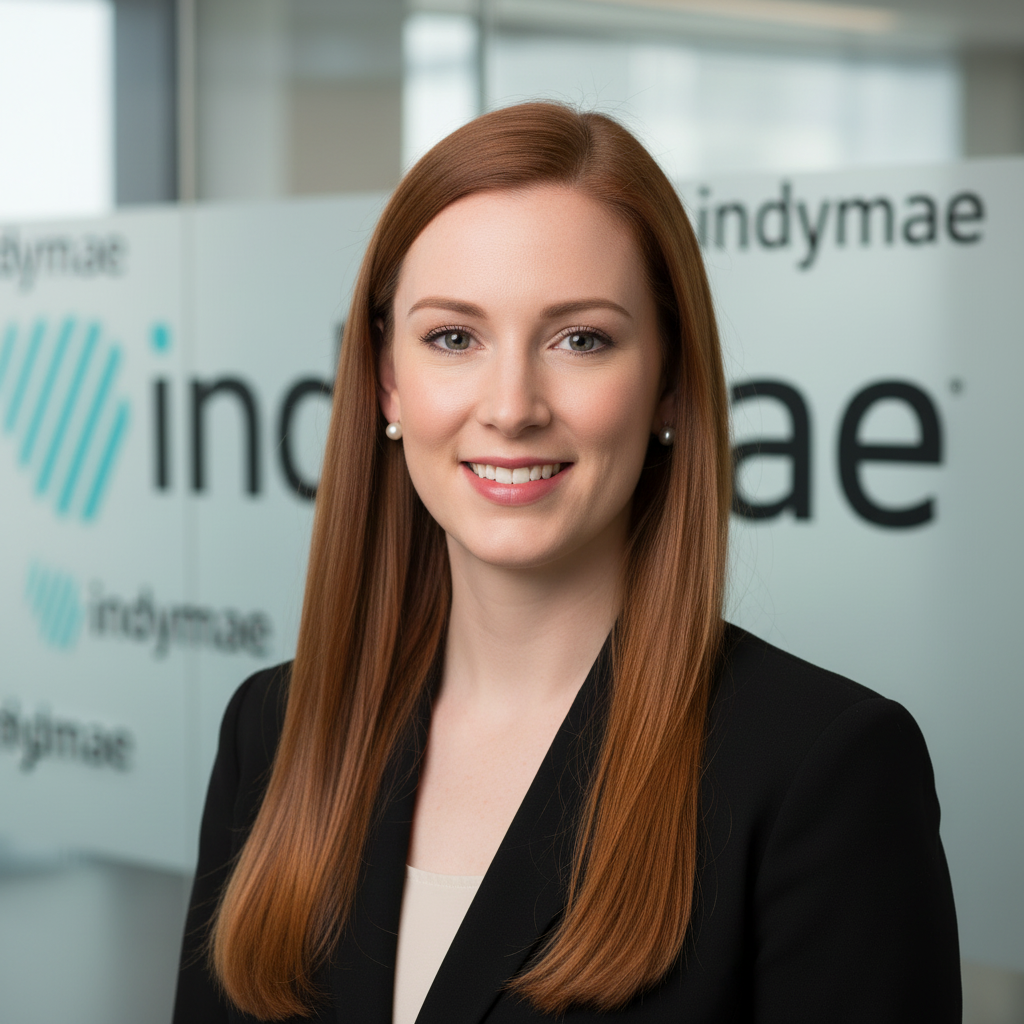
 Alexa Morgan
SBA Loan vs Conventional Loan for Florida Businesses (2026)
Choosing the right financing can make or break your next business move — whether you're opening a restaurant in Miami's Wynwood district, expanding a logistics operation in Tampa, or purchasing commercial property in Orlando. For most Florida small business owners, the decision comes down to two paths: SBA loans or conventional loans. Both have real advantages, and understanding the differences will help you make a smarter, faster decision.
This guide breaks down exactly how these two loan types compare — covering rates, guarantees, eligibility, and the practical scenarios where each one wins.
What Is an SBA Loan and How Does It Work?
An SBA loan is a small business loan partially guaranteed by the U.S. Small Business Administration. Because the government backs a portion of the loan, lenders take on less risk — which means they can offer lower rates, longer repayment terms, and more flexible qualification standards than most conventional products.
For current program details, visit SBA.gov.
There are two primary SBA loan types Florida business owners use most:
Standard 7(a) Loans
- Loan amounts: Up to $5 million
- SBA guarantee: Up to 85% on loans of $150,000 or less; up to 75% on loans over $150,000
- Best for: Real estate purchases, equipment, working capital, acquisitions, and business expansions
- Current rates: Prime + 2.25%–2.75%, putting most borrowers at approximately 9.0%–9.5% APR (based on the current WSJ Prime Rate of 6.75%)
- Repayment terms: Up to 10 years for working capital; up to 25 years for real estate
- Note: Any new direct or indirect owner acquiring any ownership stake — even 1% — must be added as a Co-Borrower
SBA Express Loans
- Loan amounts: Up to $350,000
- SBA guarantee: Up to 50%
- Collateral: Not required
- Approval speed: Same-day credit review
- Current rates:
- Up to $50,000: approximately 12.25% APR (Prime + 5.5%)
- $50,000–$250,000: approximately 10.25% APR (Prime + 3.5%)
- $250,000–$350,000: approximately 9.50% APR (Prime + 2.75%)
- Best for: Fast working capital, smaller expansion projects, and businesses that need quick access to funds
For details on both of these SBA products, see our SBA 7(a) Express Loan overview.
What Is a Conventional Business Loan?
A conventional business loan is issued by a bank, credit union, or private lender without a government guarantee. Because the lender carries the full risk, qualification requirements are typically more stringent.
Key Features of Conventional Loans
- Loan amounts: Vary widely — from $25,000 to several million dollars
- Rates: Generally Prime + 1%–4% for well-qualified borrowers, but can climb significantly higher for newer businesses or those with thinner financials
- Repayment terms: Typically 3–7 years for working capital; up to 20 years for commercial real estate
- Collateral: Usually required, especially for larger loan amounts
- Approval timeline: Can range from a few days to several weeks depending on complexity
- Credit requirements: Most conventional lenders expect a personal credit score of 680 or higher and at least two years of profitable business history
For businesses with strong financials, established credit, and significant collateral, conventional loans can be fast and competitive. But for the majority of Florida's small and mid-sized businesses, the SBA route often delivers better long-term value.
SBA Loan vs Conventional Loan: Side-by-Side Comparison
| Feature | SBA Loan | Conventional Loan |
|---|---|---|
| Government Guarantee | Yes (50%–85%) | No |
| Max Loan Amount | $5 million (Standard 7a) | Varies by lender |
| Typical APR | ~9.0%–12.25% | Varies; often higher for smaller businesses |
| Collateral Required | Often flexible | Usually required |
| Repayment Terms | Up to 25 years | Typically 3–20 years |
| Qualification Flexibility | Higher | Lower |
| Approval Speed | Same-day (Express) to weeks | Days to weeks |
When an SBA Loan Is the Better Choice
- Your business has less than two years of operating history
- You need longer repayment terms to keep monthly payments manageable
- You're purchasing commercial real estate in a competitive Florida market like Jacksonville or Fort Lauderdale
- You don't have substantial collateral to pledge
- You want a government-backed rate ceiling to protect against rate creep
When a Conventional Loan May Make More Sense
- Your business has strong cash flow and pristine credit
- You need funding quickly and your loan falls outside SBA program parameters
- You want to avoid the paperwork and processing time that SBA loans sometimes require
- You're borrowing a smaller amount and your bank has an existing relationship with you
SBA Loan Eligibility: What Florida Business Owners Must Know
Before applying, Florida business owners should understand that not every business qualifies for SBA financing. Key eligibility rules include:
- Your business and all direct/indirect owners must be created, organized, or incorporated in the United States, its territories, or possessions
- All owners and guarantors must have a primary residence in the United States, its territories, or possessions
- SBA lenders are required to check CAIVRS — applicants with delinquent federal debt or a prior loss to the government are ineligible
- Businesses with open federal tax liens, delinquent federal debt, or that have undergone bankruptcy are not eligible for SBA loans
- Businesses that have entered into a side agreement giving a non-guarantor owner or investor control of the business are also ineligible
According to the U.S. Small Business Administration, Florida consistently ranks among the top states for SBA loan volume — meaning local lenders are experienced with the process and competition for strong applicants is real. For state-specific options, see our SBA Loans in Florida page, and if you’re unsure about basic eligibility, our article on How to Qualify for an SBA Loan in Florida 2026 is a helpful next step. If you’re a newer startup, consider whether an SBA microloan makes more sense by reading SBA Microloans for Florida Startups 2026: Your Complete Guide.
A Real-World Example: Tampa Retail Expansion
Imagine a specialty food retailer in Tampa with $800,000 in annual revenue looking to open a second location. They need $400,000 for leasehold improvements, inventory, and working capital.
With a Standard 7(a) SBA loan at approximately 9.25% APR over 10 years, their estimated monthly payment would be around $5,100 — with the SBA guaranteeing 75% of the loan, making lender approval far more accessible than a conventional alternative.
With a conventional loan at a hypothetical 11% APR over 7 years, the monthly payment jumps to approximately $7,000 — a difference of nearly $23,000 per year in cash flow.
Over a 7-year period, that gap compounds. For a growing Florida business, that cash flow difference can fund another hire, a marketing campaign, or a third location.
How Indymae Can Help Florida Business Owners
Navigating the SBA loan process doesn't have to be overwhelming. Indymae works with Florida small business owners across industries — from hospitality and construction to healthcare and professional services — to identify the right loan structure, prepare documentation, and move applications forward efficiently.
Whether you're comparing an SBA Express loan for fast working capital or a Standard 7(a) for a commercial property purchase in Sarasota or Pensacola, Indymae's team brings clarity to the process so you can focus on running your business. For insights on which industries tend to perform well with SBA financing, check our Best Industries for SBA Loans in Florida (2026 Guide).
Final Verdict: Which Loan Is Right for Your Florida Business?
There's no universal answer — the right loan depends on your business's age, financials, collateral position, and how quickly you need capital. But here's the practical bottom line:
- Choose an SBA loan if you need longer terms, lower down payments, or more flexible qualification standards
- Choose a conventional loan if your financials are exceptional, speed is critical, and you don't need the flexibility SBA programs provide
- When in doubt, compare both — a side-by-side quote from a lender experienced in both products will tell you more than any general comparison
Ready to find out which financing option fits your Florida business goals? Connect with Indymae today and speak with a commercial lending specialist who understands the Florida market inside and out.